 On The Mend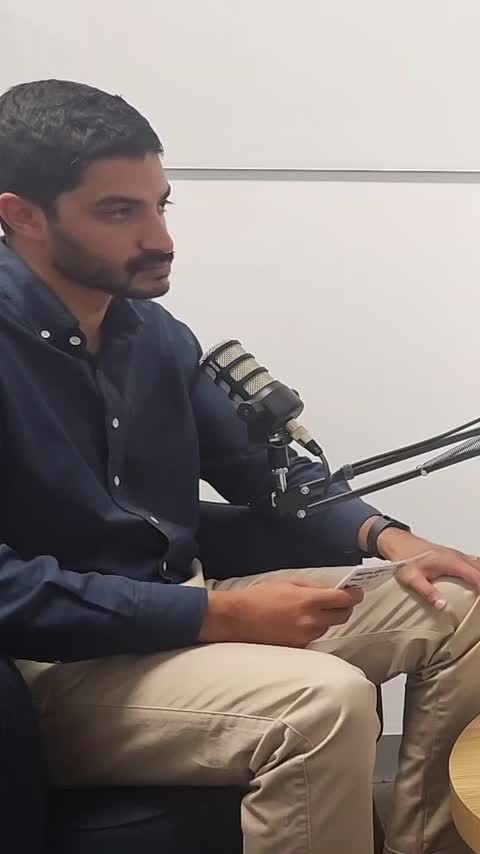
Hearing loss usually creeps up so slowly that someone else notices first. Rebecca Bourke from Hearing Australia on the early signs, protecting your ears, and what a hearing check actually involves.
With Rebecca Bourke, Community Service Advisor at Hearing Australia
Hearing is easy to take for granted. In this episode of On The Mend, Rebecca Bourke from Hearing Australia explains why hearing checks matter, starting with the fact that hearing loss happens so gradually that it is often a partner or family member who notices first.
She covers the early signs worth paying attention to, why more younger people are being affected through earbuds and headphones, protecting your ears in noisy places like mowing and worksites, what a hearing check involves, and the support Hearing Australia provides.
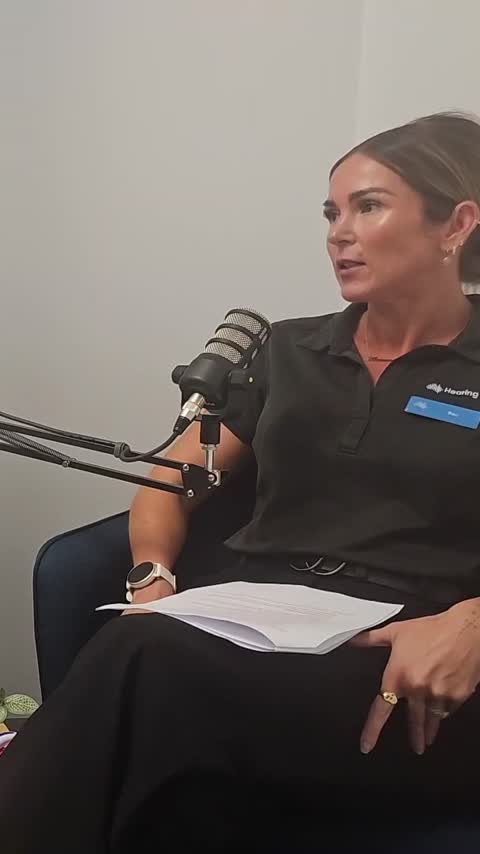
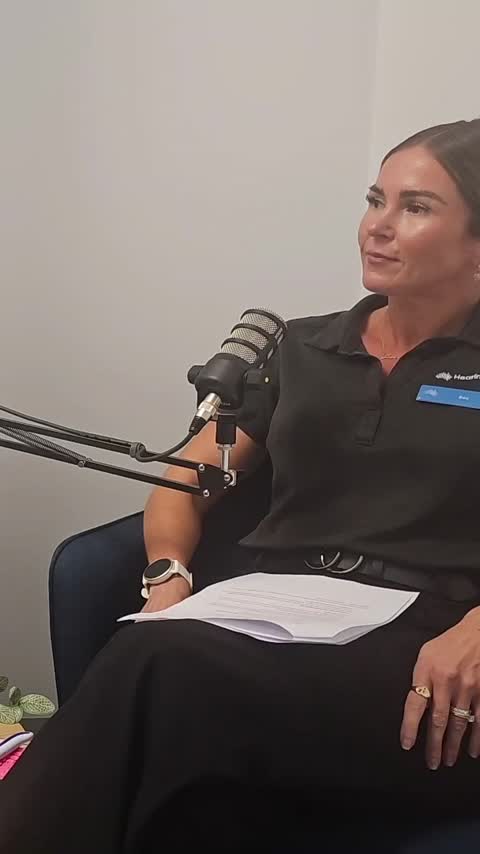
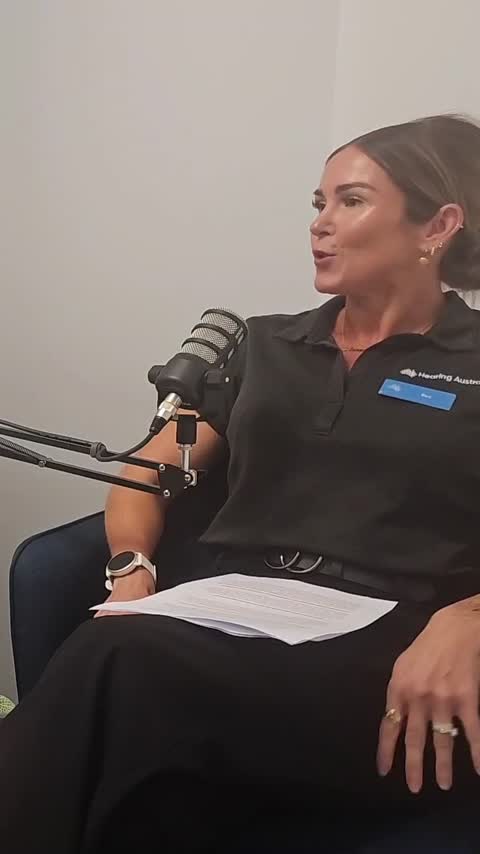
Rebecca Bourke is a Community Service Advisor at Hearing Australia, supporting communities across Melbourne's south east, including the Mornington Peninsula. She joins Episode 3 to talk about hearing checks, the early signs of hearing loss, and looking after your hearing at every age.
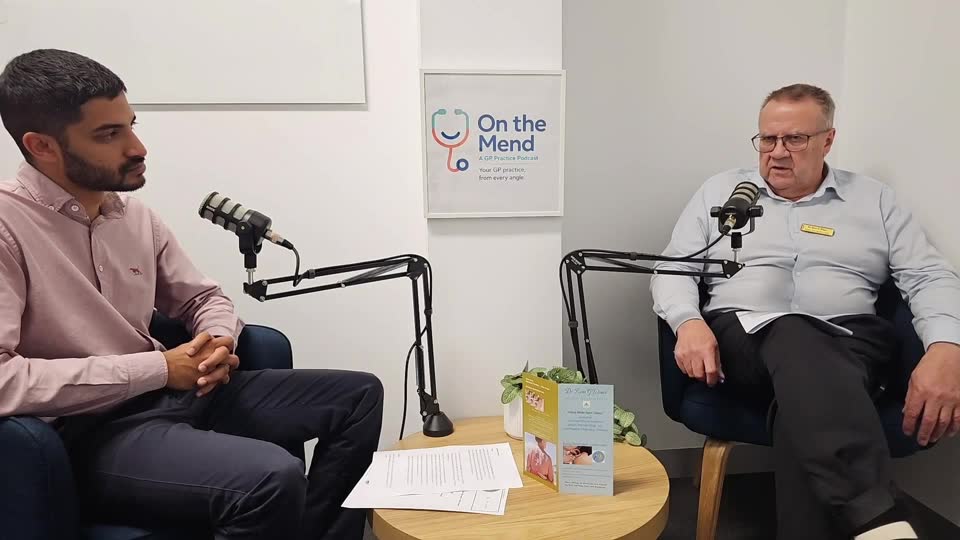
Why Australia sees so much skin cancer, how to protect your skin, what the SCAN self-check looks for, and what happens in a professional skin check.
With Dr Ross Wines, who practises at Chelsea Arcade Medical
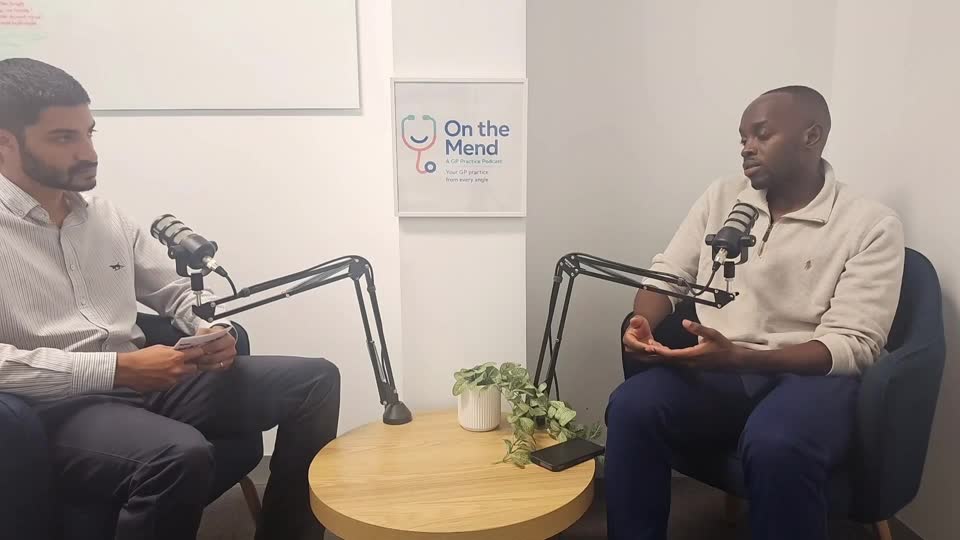
Why men's health often gets overlooked, the health checks that change with age, signs someone might be struggling, and the small changes that add up.
With Dr Geoffrey Kimanje, who practises at Chelsea Arcade Medical
A lightly edited transcript of the conversation with Rebecca Bourke from Hearing Australia. General information only, not personalised medical advice. See your GP or a hearing health professional about your own hearing.
Host: Welcome, listeners. Today on On The Mend I would like to introduce Rebecca Bourke, a Community Service Advisor for Hearing Australia. Bec has been attending Chelsea Arcade Medical for almost a year now, doing free hearing checks for the local community, and she also visits other local sites around the bayside. You mainly look after this part of Victoria?
Rebecca Bourke: That is right, all the way down to Sorrento, across the peninsula, and out to Hastings, Mornington and Rosebud as well.
Host: So a bit of driving involved. Tell us a little about yourself, Bec.
Rebecca Bourke: I have been with Hearing Australia for almost ten years now. I have two children and a wonderful husband. I like to work out, go for walks and runs, and just live a balanced, healthy lifestyle.
Host: Today we are here to talk about hearing loss and Hearing Australia, and the services you provide to the community. For people who have never thought about their hearing, why are hearing checks important?
Rebecca Bourke: Hearing checks are important because hearing loss happens gradually. People do not realise they are starting to miss things until they are turning the TV up louder, or they are in social situations asking people to repeat themselves. Often they will say something like, my sister mumbles, or my husband mumbles. So it is really important to get your hearing checked.
Host: So generally it is someone else who notices first, rather than you.
Rebecca Bourke: Yes, and that can be a bit confronting when someone else is telling you. People tend to ignore it for a while, until a family member gets frustrated because they cannot even talk on the phone. That is usually when people book in and come to see me.
Host: My own dad is the number one culprit. I have been trying to get him to come in for about a year, but he is in denial, with a bit of selective hearing too.
Rebecca Bourke: Of course. But if there is something there, it is worth getting checked. It only takes ten or fifteen minutes, just that little bit of time out of your day, and early detection is always better.
Host: On that, what are some of the early signs of hearing loss that people might overlook? And can younger people experience hearing loss, or is it mainly older people?
Rebecca Bourke: It can be anyone, really. We are noticing a trend with younger people coming in, because people are wearing earbuds and headphones a lot more now, often listening quite loud. Over time your hearing can start to deteriorate.
Host: Do noise-cancelling headphones play a part in this as well?
Rebecca Bourke: It really depends on how loud you are listening. Noise cancellation just blocks out outside sounds, but if you are locked in with something on at a high volume, that is where the risk is. People like to listen loud, especially at the gym or going for runs.
Host: So it is not just older people, it is younger people too, and it is being brought on earlier because of the technology coming into play.
Rebecca Bourke: Absolutely. It is damage happening earlier, rather than just over the natural course of your life.
Host: During a hearing check, what actually happens? Is it quick?
Rebecca Bourke: It is very quick. A person comes in, I introduce myself, and we talk about any concerns they have with their hearing. Then we pop the headphones on. Different frequencies come through, and you press a button every time you hear a sound. That is it, a simple, non-invasive process. Then we talk about the results, and if hearing loss is found, I refer them on to a hearing specialist.
Host: So these are sounds at different frequencies. Hearing loss does not necessarily mean you cannot hear at all, but there might be certain frequencies you are missing.
Rebecca Bourke: Yes, and that in itself is part of hearing loss. When you see the audiologist, they can do speech testing to see what you are missing out on in conversations. That is a more in-depth test than what I do. Mine is quick and simple, but it gives us a baseline of where your hearing is at.
Host: If a slight hearing loss is identified and you refer someone on to Hearing Australia for further testing, what kind of support does Hearing Australia provide?
Rebecca Bourke: It is end-to-end support. From the initial check, it becomes ongoing care tailored to that person's hearing needs. They come in for a more in-depth test, which is also non-invasive, nothing hurts, no needles. The audiologist will look in your ear to check for anything simple like wax that could be affecting things. I can do that check too. Then, if hearing loss is found, the discussion is based on your lifestyle. It is not a one-size-fits-all.
Host: Does it vary from providing hearing aids to teaching sign language and things like that?
Rebecca Bourke: We do not teach sign language, but we do have clients who are profoundly deaf and use Auslan to communicate. I personally do not know Auslan, but they can write things down. So it caters for everyone, across the different aspects of hearing loss.
Host: To close, what are three simple things people can do to protect their hearing day to day?
Rebecca Bourke: Turn down the volume. Protect your ears in noisy environments, so if you are mowing the lawn or using a hedge trimmer, pop in some earbuds or ear protection. And get your hearing checked regularly, do not leave it. People are often not aware that you are more at risk of developing dementia if you leave your hearing, and you do not want to isolate yourself from the community because you cannot hear what is going on.
Host: You touched on mowing the lawn, but people who work in construction, near public transport, in warehousing, on union sites, it impacts everyone.
Rebecca Bourke: It impacts everyone. More and more people are doing the right thing and protecting their hearing. But when you are young you feel invincible, so people are often not affected until they are affected.
Host: So is it preventable?
Rebecca Bourke: Absolutely. You can prevent hearing loss, but you want to start young. Start it early.
Host: Well, with that, thank you, Bec, for your insight today. It was really valuable, and good to understand the services Hearing Australia provides, and how easy the process actually is.
Rebecca Bourke: Thanks for having me. It is so easy. It is not something you have to go out of your way to seek out.
Host: You are here once a month, around the peninsula, and people can book online to see where you and your colleagues are. Just ten to fifteen minutes of your time. Thank you, and thank you, listeners, for joining us today. Stay well, and keep on the mend.
Subscribe on YouTube or follow On The Mend to catch each new episode and clip.
Watch on YouTube