 On The Mend
The front desk is often the first voice you hear and the first face you see, and most of the work happens out of sight. Emily Ryan on what the role really involves.
With Emily Ryan, medical receptionist
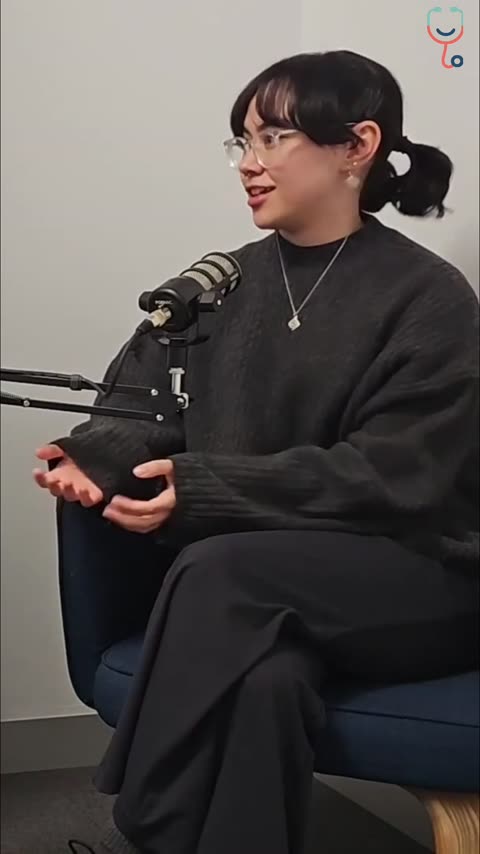
You have been into a consult and you know what the doctor does. You have probably been into the nurse's room. But you have never been behind the front desk. In this episode of On The Mend, medical receptionist Emily Ryan explains what the role actually involves, from referrals and records to liaising with specialists and allied health.
She also explains why your results usually go to your doctor before they come to you, what would surprise a doctor most about a day at reception, and why a little kindness makes a real difference on a busy morning.
Emily Ryan is a medical receptionist who has spent the past two and a half years at the front desk of a busy general practice, while studying a master's in business management and human resources. She joins Episode 4 to talk about what the role really involves and what patients rarely get to see.


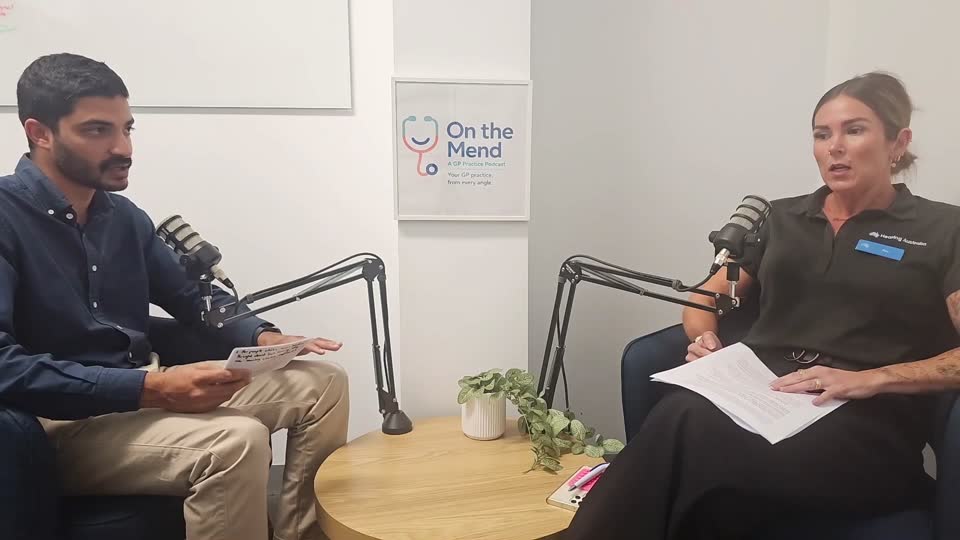
Why hearing checks matter, the early signs of hearing loss people overlook, headphones and young ears, and the support Hearing Australia provides.
With Rebecca Bourke, Community Service Advisor at Hearing Australia
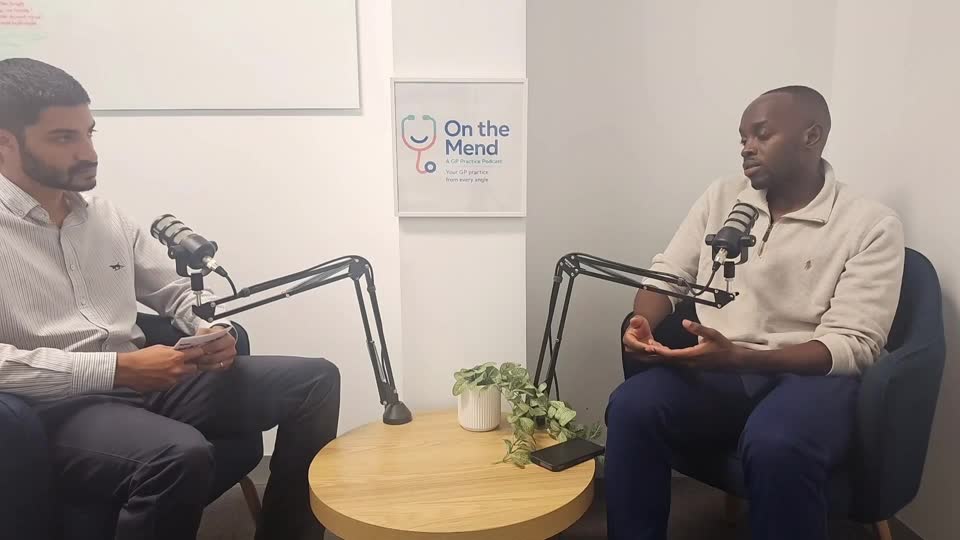
Why men's health often gets overlooked, the health checks that change with age, signs someone might be struggling, and the small changes that add up.
With Dr Geoffrey Kimanje, who practises at Chelsea Arcade Medical
A lightly edited transcript of the conversation with Emily Ryan, medical receptionist. General information only, not personalised medical advice. If you have any concerns about your health or your results, speak with your GP.
Host: Welcome to On The Mend, a short video podcast that takes you behind the scenes of your general practice. A quick note before we start: everything we discuss is general information only. It is not tailored medical advice and does not replace a conversation with your health practitioner. If something is on your mind, please speak with your GP. You can find us here in the waiting room, or on YouTube and Spotify. And with that, let us get into it.
Host: Today we are joined by our very own Emily Ryan. She is a medical receptionist who has been working with us for the last two and a half years, all while studying her master's in business management and human resources. Sounds like you have a lot on your plate, Emily.
Emily Ryan: Yes, especially going into second semester.
Host: Has the transition into that semester been okay?
Emily Ryan: I have not started second semester yet, but I think I am already behind. I keep getting emails saying, just a reminder, you need to have this ready before your first class.
Host: That is the fun of university, isn't it. You have to be organised.
Host: So Emily, you have been working for about two and a half years as a medical receptionist while studying human resources. Do you feel some of those skills have been interchangeable?
Emily Ryan: Yes, a hundred percent. Any customer-facing role has really transferable skills. Even just communicating with people, both written and verbal. I have grown more confident in that working at this job, and working as a team as well, which is a big thing in the master's.
Host: Those group projects can be a lot of fun, can't they. So from your two and a half years as a medical receptionist, what do you think people misunderstand most about the role?
Emily Ryan: I think people might just think we check patients in, answer the phones, and that is it. But we do a lot of behind the scenes work as well, like liaising with other specialists and other GPs, and anyone who is treating the patient, including a lot of allied health professionals. Sending off referrals, following up results for the doctors, requesting patient information. There is a lot that we do that people do not really know about.
Host: And there are different processes for all of these things with different organisations. Whether you are going through one hospital, another hospital, or the GP next door, there is so much you have to know about how they each operate.
Emily Ryan: Yes. It is really different trying to get something from another GP's office to a hospital, for example. Some hospitals have a completely different process that takes longer. And then there are e-referrals, and some places do not accept those. There are a lot of things you cannot really be taught. You pick them up as you go.
Host: A lot of information to retain.
Emily Ryan: I remember when I was first starting, I was studying for my final undergraduate exams and trying to learn everything here at the same time. It was an overload of information. It is a big learning curve, but you get used to it, and then it becomes second nature. You start to understand how the clockwork happens.
Host: From your time at reception you must see a whole array of things day to day, the patients, the calls you answer, the people you talk to. What is one of the most memorable things that has happened to you at the front desk?
Emily Ryan: There are a few. I will go with something positive. There was a patient who called, and a specialist clinic needed a number of medical records from him, but were not willing to call around and get those. We did not have all of them, but I spent about twenty minutes on the phone with him just noting down what he needed. He was an older gentleman, so he was not really confident with technology or with calling around. I got the information I needed, put those files together for him, called him up and said I can send them to you, or you can pick them up, whatever you want. He was so thankful. At the time I just felt like I was doing my job. But the next week, he and his wife came in with a box of chocolates and asked for me, and said thank you so much for taking the time to get this all together. It was really sweet.
Host: That is lovely, and it reminds you that your job matters. Even though people might look at admin as just an admin thing, the admin side is such a big chunk of what happens here, especially behind the scenes, which is what we are trying to show with this podcast. You have been into a consult, so you know what the doctor does. You have been inside the nurse's room, so you know what they do. But you have not been behind the desk.
Host: Do they still come in?
Emily Ryan: Not as much anymore. I think he has sorted everything related to that specialist, so I do not see him as much.
Host: That is good, because I can imagine it is really hard for people who do not know how these things operate to acquire documents, chase this person and that person, and remember where they saw someone maybe five years ago.
Host: Now to the next question, from a slightly different perspective. If doctors were to spend a day working as a medical receptionist, what do you think would surprise them most about the role?
Emily Ryan: Probably how much we do. The doctors here are very appreciative and very understanding of when it is busy. But I think it would surprise them just the sheer amount of work. Especially on a busy day, say a Monday or Tuesday, where there are patients coming in, the phones are ringing, the doctors are calling saying we need to find this, there are emails, all the specialists are finally replying, and we have to book patients in. It is a lot of communication between a lot of different people and different practices. I think the multitasking might be what would surprise them most.
Host: And the pace you work at. You slow down to do one task and think, maybe I will do that in five minutes, and in that five minutes you get two calls and a message, and the backlog builds.
Emily Ryan: There is no downtime.
Host: And the pace starts from the time you get in. It is not as though the morning or the afternoon is any different.
Emily Ryan: It is the same.
Host: Lastly, what is one thing you wish every patient knew about your role?
Emily Ryan: That we are here to help. Most people understand that, and I can understand why people get a bit frustrated sometimes, because it relates to their health and their medical records. But there are processes we need to go through. There are a lot of medico-legal things that patients would not know about. A lot of the time we get, but it is my blood, or it is my scan. I understand that, and I would send it straight to you if I could, but sometimes the doctor needs to check it over, or the doctor needs to speak with you if there is something abnormal about the result. It is not that we can just release medical information. That is for the patient's protection as well.
Host: And you would not want someone to see something and panic when the doctor might have a plan and a sequence they need to follow. Every doctor is a little different in how they want to action things.
Emily Ryan: It also depends on the patient and the type of test. If it is something urgent, more than likely the doctor would be willing to have a chat on the day about the results, so the patient can get treated for that. But it is a case-by-case basis.
Host: It goes to show the impact of kindness on a busy day. It can be difficult for you as well. You have your own lives, you come in, and sometimes patients are frustrated with whatever they are experiencing, and in your role you have to be empathetic to that.
Emily Ryan: Everybody has those days. As receptionists we have to be the friendly face and the friendly voice that people see, even when they are not being the kindest. You do have to have a lot of empathy and understanding, because it is people's lives. It is not just a job. When I worked in hospitality and people were yelling at me over a burger, I would think, okay, calm down, it is not that deep. But here, it really can be that deep.
Host: You have to be considerate and mindful of that.
Emily Ryan: On the busy days it is the best feeling when a patient says, no, take your time, or thank you so much, I can see you are busy. We apologise and they say it is not your fault, it is all right, take your time. It does make you want to do that little bit extra for them.
Host: Kindness goes a long way. There is so much more to unpack about your role, but in this short time you have given us real insight. As you said, medical receptionists are often the first voice patients hear and the first face they see. They are very much the cornerstone of the practice, juggling admin, communication, empathy and problem solving, all at once, every day. There is a lot that they do that goes unnoticed. Thank you for giving us that insight, and hopefully it gives you some insight too, the next time you go to your local general practice. Thank you for joining us today, and as always, remember to keep on the mend.
Subscribe on YouTube or follow On The Mend to catch each new episode and clip.
Watch on YouTube